 Skip to content


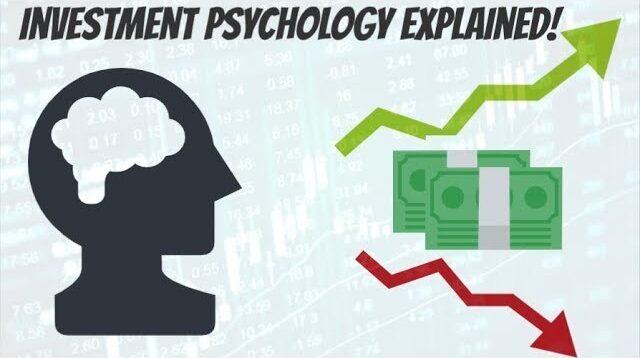
Investing is not just about numbers, charts, or company reports. It is also about the mind. Every buy or sell decision is influenced by emotions, often more than we realize.
Fear and greed are the two most powerful forces in the market. Fear makes investors sell during downturns, locking in losses. Greed pushes them to chase rising stocks or “hot tips,” often at the wrong time. Together, these emotions create cycles of overreaction that can hurt long term wealth.
Another common emotion is overconfidence. Many investors believe they can always predict the market, only to be surprised by sudden volatility. On the other hand, hesitation or loss aversion makes people avoid risk completely, leaving money idle instead of growing.
Patience is where psychology turns into profit. Investors who stay disciplined, stick to a plan, and avoid emotional decisions often outperform those who constantly react to market noise. This is why tools like systematic investment plans (SIPs) or asset allocation strategies work well since they remove emotions from the process.
The same applies to newer avenues like unlisted shares. They can be rewarding, but rushing in out of excitement or exiting too soon out of fear can limit potential. A balanced, long term view is the key.
In the end, successful investing is not just about finding the right asset. It is about managing yourself.
Master your emotions, and your wealth will follow.
